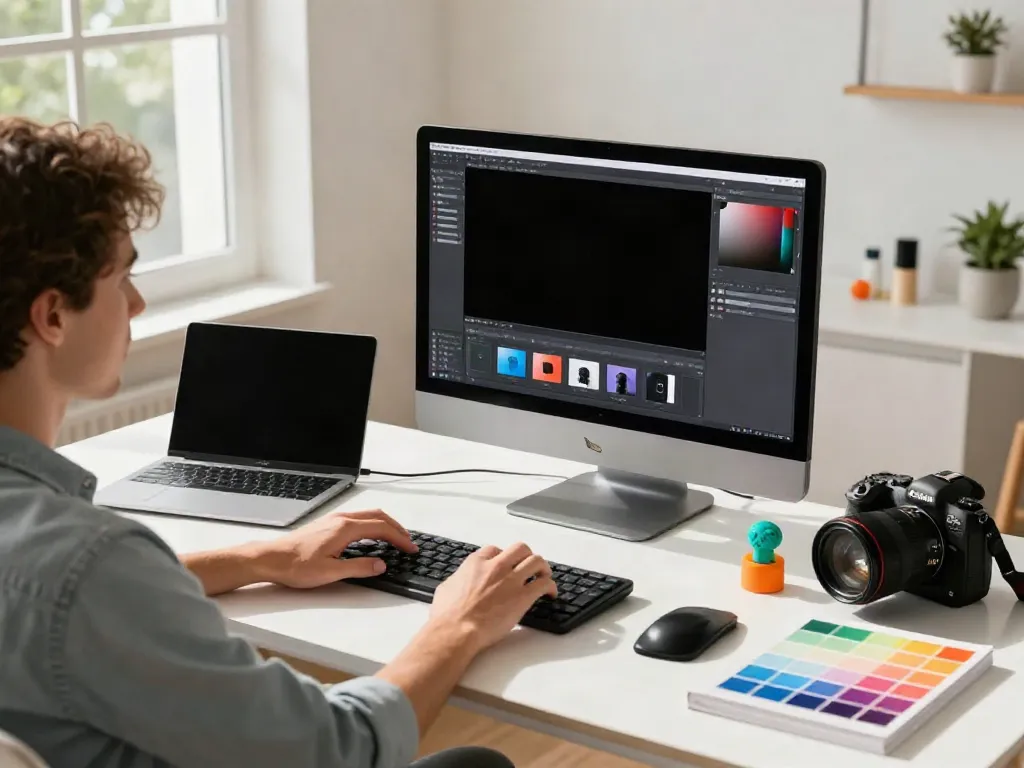
Introduction to AI Product Photo Generators
In the rapidly evolving landscape of e-commerce, visual representation plays a vital role in influencing consumer behavior. With the advent of new technologies, an innovative solution has emerged: the AI product photo generator. This tool allows businesses to create professional-quality product images with minimal effort, enabling them to enhance their online presence and increase sales. By utilizing artificial intelligence to transform standard phone photos into stunning, listing-ready visuals, e-commerce brands can streamline their marketing strategies and improve customer engagement. When exploring options, AI product photo generator provides comprehensive insights that can elevate your product photography.
What is an AI Product Photo Generator?
An AI product photo generator is a sophisticated software application that uses artificial intelligence algorithms to enhance and convert basic images into professional product photos. By inputting an ordinary photograph taken with a smartphone, users can obtain high-quality images ready for online listing in just a few clicks. This technology utilizes machine learning models to understand the nuances of product photography, which optimizes the composition, lighting, and background of the product images. As a result, businesses can save time and costs associated with hiring professional photographers while still achieving striking visuals that attract potential buyers.
How AI Technology Enhances Product Photography
AI technology enhances product photography by automating various aspects of the image creation process. These generators analyze the input image to identify key elements such as product shapes, colors, and text. Using this information, the AI can adjust the image's lighting, remove irrelevant background elements, and generate clean, appealing packshots. Additionally, many AI photo generators offer customization options, allowing users to specify desired settings or output scenarios. This level of automation not only accelerates the workflow but also ensures consistency across multiple product images, a crucial factor for maintaining brand identity.
Benefits of Using AI for E-commerce
The integration of AI product photo generators into e-commerce platforms yields numerous benefits, including:
- Cost Efficiency: Eliminating the need for professional photography services can significantly reduce marketing expenses.
- Time-Saving: The fast turnaround time for creating images allows for quicker product launches and timely marketing campaigns.
- Consistent Quality: AI ensures that every product photo adheres to a uniform quality standard, which is essential for brand recognition.
- Increased Conversion Rates: High-quality images can lead to improved customer engagement and higher conversion rates, which translates into increased sales.
- Accessibility: Businesses of all sizes can utilize these tools, making professional-grade product photography accessible to startups and small enterprises.
Getting Started with AI Product Photo Generation
To maximize the effectiveness of an AI product photo generator, it's important to understand how to use the tool efficiently. This section covers essential steps to getting started, ensuring you obtain the best results from your image inputs.
Choosing the Right Image Input for Best Results
The quality of the output image strongly relies on the quality of the input photo. For optimal results, select images that are well-lit, in focus, and capture the product clearly. Make sure the entire item is visible and centered in the frame. It’s also vital to avoid cluttered backgrounds that could confuse the AI. Ideally, use natural daylight to enhance color accuracy and avoid camera flash, which can distort the product’s features.
Understanding Settings and Output Options
Familiarize yourself with the various output settings available in the AI product photo generator. Options may include background styles, image dimensions, and formats suitable for different platforms such as Amazon, eBay, or Instagram. Tailoring these settings appropriately will help you create images that meet specifications for multiple sales channels, thereby increasing your reach.
Common Mistakes When Uploading Images
When utilizing an AI product photo generator, common pitfalls can lead to suboptimal results. Here are some mistakes to avoid:
- Using Low-Quality Images: Ensure high resolution and clarity to prevent pixelation in the final images.
- Neglecting to Follow Guidelines: Make sure to follow specific guidelines for lighting, angle, and background for best outcomes.
- Overcomplicating the Scene: Keep backgrounds simple and distractions minimal to let the product shine.
Best Practices for Effective Product Photography
Creating outstanding product photos requires more than just uploading an image to an AI generator. Understanding best practices for capturing source images can significantly improve your results.
Techniques for Capturing Ideal Source Images
To produce ideal images for AI processing, consider these photography techniques:
- Use Natural Lighting: Natural light not only improves color accuracy but also creates soft shadows that enhance product textures.
- Maintain a Steady Hand: A stable shot ensures sharp images—use a tripod or a stable surface when possible.
- Position the Product Correctly: Face the product label or key features toward the camera for clarity.
How to Optimize Images for AI Generators
Image optimization involves ensuring that your photos are not only visually appealing but also formatted correctly for AI tools. This includes:
- Cropping: Remove unnecessary parts of the image to focus solely on the product.
- Adjusting Brightness and Contrast: Proper brightness levels can help the AI recognize product details more effectively.
- File Format: Use commonly accepted formats such as JPEG or PNG that maintain quality.
Creating Compelling Product Descriptions Alongside Photos
A high-quality image is only part of the equation. Pairing each photo with a well-crafted product description can increase consumer interest and improve sales. Focus on highlighting unique features, specifications, and benefits to appeal to potential buyers. Clear, concise, and persuasive language will enhance the overall impact of your product listings.
Case Studies: Successful Uses of AI Product Photo Generators
Understanding how other brands have successfully utilized AI product photo generators can provide inspiration and practical insights into their effectiveness.
Brand A: Transforming Product Listings
Brand A, an emerging skincare line, struggled with inconsistent product imagery across their e-commerce site. By integrating an AI product photo generator, they were able to standardize their images, creating uniformity that enhanced their brand identity. Within weeks, they reported a 30% increase in customer engagement metrics, highlighting the impact of quality visuals.
Brand B: Boosting E-commerce Engagement
Another example is Brand B, a fashion retailer that utilized AI product photo generation to streamline their online catalog. By taking casual smartphone photos and transforming them into polished product images, they launched a marketing campaign that led to a significant uptick in conversion rates, proving the power of good imagery in a visually-driven market.
Lessons Learned from Real-World Applications
Both brands underscore the importance of investing in quality images and leveraging AI tools to enhance their e-commerce strategies. The ability to quickly produce professional images not only saved time but allowed these brands to focus efforts on other crucial elements of their business, such as marketing and customer engagement.
Future Trends in AI Product Photography
As technology evolves, so too will the capabilities of AI product photo generators. Looking ahead, businesses should anticipate the following trends in AI product photography.
Emerging Technologies to Watch in 2026
In the coming years, advancements in AI will likely lead to even more sophisticated product photo generators. Technologies such as augmented reality (AR) could integrate seamlessly, allowing customers to visualize products in their own environments before purchase. Moreover, enhancements in AI algorithms may produce more realistic textures and backgrounds, further improving the quality of generated images.
How AI Will Shape The Future of E-commerce
AI's role in e-commerce is expected to grow significantly, with visual representation being a major focus. Brands that adopt these tools early will likely gain a competitive advantage, becoming more agile in adjusting their marketing strategies. The integration of AI in product photography will create a more dynamic shopping experience, catering to consumer preferences for customization and personalization in their purchasing journeys.
Strategic Recommendations for Staying Ahead
To maintain relevance in an increasingly competitive landscape, e-commerce businesses should consider the following strategies:
- Invest in AI Technologies: Adopt advanced AI product photo generators to enhance the efficiency and quality of visual content.
- Monitor Industry Trends: Stay informed about emerging technologies and adapt your strategies accordingly.
- Focus on Consumer Experience: Prioritize improving customer engagement through high-quality visuals and compelling narratives.
What is the best free AI product image generator?
The best free AI product image generator depends on specific needs, but tools like PhotoRoom and Canva's AI Photo Generator are noted for their user-friendly interfaces and effectiveness.
Can AI make product photos for any item?
Yes, AI can generate product photos for a wide range of items, provided the input images meet certain criteria. The technology adapts to various products, creating appropriate images based on the details present in the original photos.
What common issues arise with AI-generated photos?
Common issues may include inaccuracies in color representation, difficulty capturing intricate details, or errors in detecting product features if the input photos are of poor quality.
How do AI product photo generators improve listing conversions?
By providing high-quality, eye-catching visuals, these generators can significantly enhance the visual appeal of product listings, leading to increased click-through rates and higher conversions.
What are the visual quality expectations for AI-generated images?
Consumers expect AI-generated images to be on par with professional-quality photographs, showcasing product details accurately and appealingly.