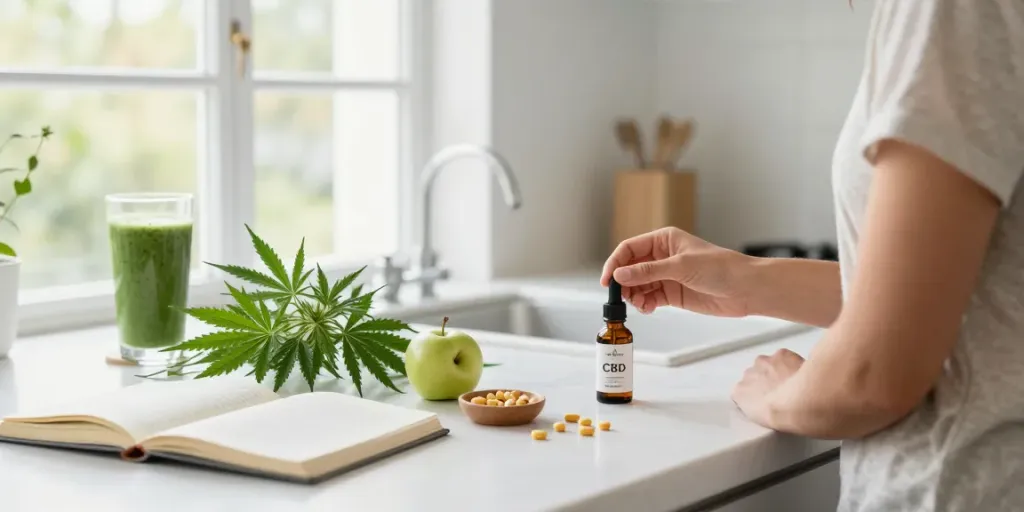
Understanding the Health Benefits of CBD
As wellness seekers increasingly explore holistic approaches to improve their health, CBD (cannabidiol) has emerged as a significant player in this space. With its numerous therapeutic applications and favorable safety profile, CBD products are garnering attention for their potential benefits. Consumers are keen to understand how to effectively incorporate these products into their wellness routines, especially with growing interest in options such as sg vape delivery for streamlined access to quality goods.
What are the Therapeutic Applications of CBD?
Research suggests that CBD may help alleviate various health conditions. Its therapeutic properties are particularly noted for their impact on anxiety, sleep disorders, pain management, and inflammation. Studies indicate a correlation between CBD and reduced levels of anxiety and stress, making it an attractive option for those dealing with mental health challenges. Additionally, athletes and active individuals are turning to CBD for its potential in managing post-exercise soreness and enhancing recovery.
Evidence-Based Health Benefits of CBD for Wellness
The growing body of evidence supporting CBD's efficacy underscores its promise. For instance, a study published in the Journal of Clinical Psychology found that CBD could significantly reduce anxiety levels in socially anxious individuals. Furthermore, CBD's anti-inflammatory properties have garnered attention in studies exploring its role in conditions such as arthritis and chronic pain syndromes. While research is ongoing, these findings highlight the potential benefits of integrating CBD products into wellness regimens.
How CBD Interacts with the Body's Systems
Central to understanding CBD's therapeutic effects is the endocannabinoid system (ECS), which plays a crucial role in regulating various physiological processes, including mood, pain sensation, and immune response. CBD interacts with cannabinoid receptors (CB1 and CB2) to promote balance within the ECS, potentially leading to improved mental clarity, reduction in pain response, and overall enhancement of wellness.
Exploring Different Types of CBD Products
The CBD market is increasingly diverse, offering a wide array of product formats to suit different preferences and lifestyles. From oils and tinctures to edibles and vape products, each method has unique characteristics that can affect how CBD is absorbed and experienced by the body.
Popular CBD Formats: Oils, Vapes, and Edibles
CBD oils and tinctures are typically administered sublingually, providing quick onset effects and variable dosages based on individual needs. Edibles like gummies offer convenience and discreet use, while vapes allow for rapid delivery of CBD through inhalation, although it is essential to consider the importance of product quality and safety when selecting vape options.
Cannabinoid Profiles: Full-Spectrum vs. Isolate
Consumers can choose from full-spectrum, broad-spectrum, or isolate products based on their desired outcomes. Full-spectrum CBD contains all the naturally occurring cannabinoids, including THC (below 0.3%), which may contribute to an entourage effect, enhancing the overall therapeutic benefits. Conversely, isolates provide pure CBD without the presence of other cannabinoids, making them suitable for those who wish to avoid THC altogether.
Choosing the Right Product for Your Needs
When selecting a CBD product, it is crucial to consider individual health goals, preferences, and potential sensitivities. Consulting with a healthcare professional can aid in determining the most appropriate type and dosage, ensuring a personalized approach to wellness.
Dosage Guidelines for Effective Usage
Finding the optimal CBD dosage can be a nuanced process influenced by various factors, including body weight, metabolism, and individual tolerance levels. Tailoring the dosage to personal needs is essential for achieving desired outcomes while minimizing side effects.
Finding Your Optimal CBD Dosage
As a general guideline, it’s advisable to start with a low dose and gradually increase it based on individual responses. Many users follow the “start low and go slow” approach, documenting changes in symptoms and adjusting the dosage as necessary. This method allows for the identification of an effective dosage without overwhelming the system.
How to Titrate Your CBD Intake for Best Results
Titration, or gradually adjusting the dosage, can enhance the overall effectiveness of CBD. Users should keep track of the effects over time, noting any changes in their experience to find the sweet spot where they achieve the desired benefits without adverse effects.
Factors Influencing CBD Efficacy and Bioavailability
Bioavailability refers to the extent and rate at which CBD is absorbed into the bloodstream. Factors such as consumption method, individual metabolism, and even the specific formulation of the product can influence bioavailability. For instance, inhalation typically results in higher bioavailability compared to oral ingestion, making vaping a popular choice among some users.
Ensuring Quality and Safety in CBD Products
Quality and safety are paramount when selecting CBD products. Large-scale production can lead to inconsistencies and potential contamination. Therefore, consumers should prioritize products that receive third-party testing and provide transparency regarding their ingredients and practices.
Understanding Certificates of Analysis (COA)
A COA is a document provided by manufacturers that details the product's contents and verifies its safety. It is essential for verifying the potency of CBD products and ensuring they are free from harmful substances like pesticides or heavy metals.
Importance of Third-Party Testing for Safety
Third-party testing acts as an independent verification method that assures consumers of product safety and quality. Engaging with brands that prioritize transparency in their testing processes can enhance consumer trust and overall product reliability.
Identifying Quality Indicators in CBD Production
When evaluating CBD products, look for those produced under Good Manufacturing Practices (GMP) standards. Organic certification and information regarding the sourcing of hemp can also indicate a commitment to quality and safety in the production process.
Legal Considerations for CBD Usage in 2026
The legal landscape surrounding CBD continues to evolve, particularly following the implementation of the 2018 Farm Bill, which legalized hemp-derived products under federal law. However, regulations can vary significantly from state to state, and consumers must remain informed about local laws regarding CBD use.
Current Regulations Surrounding CBD Products
It is imperative to understand the legal implications of CBD products in one's respective jurisdiction. The FDA has taken steps toward regulating CBD, particularly in food products, and consumers should stay abreast of these developments to ensure compliance and safety.
Understanding THC Levels and Legal Compliance
The legal limit for THC in hemp-derived CBD products is established at 0.3%. Products exceeding this limit could be considered illegal under federal law. Consumers are encouraged to verify THC content through COA documentation before purchasing.
Staying Informed About Changes in CBD Legislation
Given the rapid advancements in CBD legislation, ongoing education regarding changing laws and guidelines is essential for consumers. Engaging with reputable sources of information can help keep users within the legal framework while enjoying the benefits of CBD.
What are the potential side effects of CBD?
While CBD is generally well-tolerated, some users may experience side effects such as drowsiness, dry mouth, or digestive changes. Awareness of these potential effects can aid individuals in making informed choices about their usage.
How do I choose a reputable CBD brand?
To select a reputable CBD brand, consider factors such as third-party testing, transparency in sourcing and manufacturing, and adherence to industry standards. Users should seek brands that provide clear information about their products and emphasize quality.
Can CBD interact with medications?
CBD can interact with certain medications, particularly those that are metabolized by the liver. Consulting with a healthcare professional is advisable for individuals taking prescription medications, ensuring safe integration into their routine.
Where to find lab results for CBD products?
Lab results can typically be found on the manufacturer's website or by request from customer service. Verifying lab results is critical to ensuring product safety and potency.
What is the shelf life of CBD products?
The shelf life of CBD products can vary depending on the formulation and storage conditions. Generally, CBD oils can last 1-2 years if stored properly, while edibles and topicals may have shorter shelf lives. Always check the product's packaging for storage recommendations and expiration dates.