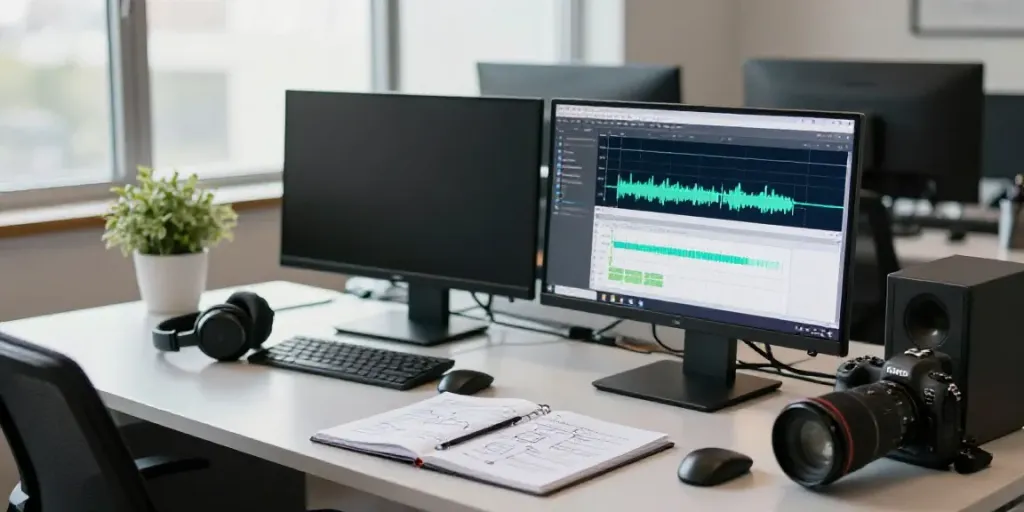
Understanding AI MP3 to Text Conversion
In a rapidly evolving digital landscape, businesses and individuals alike are increasingly reliant on efficient ways to transcribe audio files into text. An affordable AI MP3 to text converter offers a solution that combines speed and accuracy, making it a valuable tool for a variety of applications, from note-taking in lectures to creating subtitles for videos. Understanding how these tools work and the benefits they provide can significantly enhance your productivity and transcription quality.
What is MP3 to Text Conversion?
MP3 to text conversion refers to the process of transforming audio files—specifically, those encoded in the MP3 format—into written text. This is particularly useful for content creators, researchers, and professionals who need to document spoken content accurately. The process involves listening to the audio and manually typing the content, which can be time-consuming and prone to errors. With the advent of AI technology, this process has been expedited by using advanced algorithms that can analyze audio waves and convert them into text rapidly.
The Role of AI in Transcription
Artificial Intelligence has revolutionized the transcription process. Traditional methods require significant human labor, whereas AI-powered tools use machine learning and natural language processing (NLP) to deliver accurate results. These systems analyze the audio input, identify different speakers, and even understand context to improve accuracy. This sophistication allows for much quicker turnaround times, enabling users to focus on analyzing data rather than transcribing it.
Benefits of Using Affordable AI Solutions
Employing an affordable AI MP3 to text converter can save both time and resources. Here are some key benefits:
- Cost-Effectiveness: Many AI transcription tools offer competitive pricing structures, making them accessible for startups and independent professionals.
- Speed: AI can process hours of audio in minutes, greatly reducing wait times for transcriptions.
- Accuracy: Modern AI algorithms can achieve high levels of accuracy, often surpassing that of human transcribers, especially in noisy environments.
- Language Support: Many AI tools support multiple languages and dialects, broadening their usability across diverse projects.
Choosing the Right Affordable AI MP3 to Text Converter
Finding the ideal AI MP3 to text converter involves evaluating several factors, from features to overall user experience. Not all tools are created equal, and the right choice will depend on specific user needs and preferences.
Key Features to Look For
When selecting an AI MP3 to text converter, consider the following features:
- Accuracy and Speed: Look for tools that advertise high accuracy rates and fast processing speeds.
- User-Friendly Interface: A simple, intuitive interface can reduce the learning curve and enhance productivity.
- Audio Quality: Ensure the tool can handle different audio qualities, as recordings may vary significantly.
- File Format Compatibility: Besides MP3, it’s beneficial if the tool supports other audio formats like WAV, M4A, and video files.
- Security Features: Data security is paramount, especially when handling sensitive information.
Comparison of Top Competitors
To make an informed decision, reviewing top competitors in the AI MP3 to text converter space is essential. Here’s a brief comparison of some of the most recognized tools:
- Sonix: Known for its speed and accuracy, Sonix offers a user-friendly platform with extensive language support.
- Otter.ai: This tool excels in real-time transcription features and collaborative capabilities, ideal for meetings.
- Rev: Offers a combination of machine-generated and human transcription services, providing flexibility based on user needs.
- AudioScribe: Focuses on speaker labeling and contextual understanding, making it a good choice for interviews and discussions.
User Reviews and Ratings
User feedback can provide valuable insights into the effectiveness of different AI transcription tools. When researching, consider looking at ratings on platforms like Trustpilot and G2. High user ratings often correlate with features that deliver true value, such as robust customer support and seamless integration with existing systems.
Implementing Your Conversion Strategy
Once you have selected an AI MP3 to text converter, the next step is implementing it within your workflow. This can increase efficiency and accuracy in your transcription tasks.
Step-by-Step Guide to Using the Converter
- Upload Your MP3 File: Start by uploading the audio file you wish to convert.
- Select Transcription Settings: Choose your desired language, speaker identification, and any other relevant options.
- Run the Conversion: Initiate the transcription process and allow the AI to do its magic.
- Review and Edit: After completion, review the transcript for any necessary edits or adjustments.
- Export the Final Document: Save your transcript in the desired format for future use.
Common Challenges and Fixes
Despite the advancements in AI transcription, users may encounter challenges. Here are some common issues and suggested solutions:
- Poor Audio Quality: Ensure the original recording is clear; consider using noise cancellation tools before transcription.
- Multiple Speakers: If the tool struggles with distinguishing speakers, look for options that provide speaker identification.
- Contextual Errors: Train the software by uploading familiar audio samples to improve its understanding of context over time.
Integrating Transcription into Your Workflow
For organizations, integrating transcription workflows can streamline operations. Consider adopting a consistent approach where transcriptions are standardized, filed digitally, and linked with related documents or projects.
Maximizing Efficiency with Transcription Tools
To derive the most value from your AI MP3 to text converter, follow best practices that enhance both accuracy and usability.
Best Practices for Accurate Transcription
- Use High-Quality Audio: The clearer the audio, the better the transcription results.
- Transcribe Immediately: Transcribe soon after recording while the content is still fresh in your mind.
- Regularly Update Software: Stay abreast of updates from your transcription tool to benefit from improved features and performance.
Enhancing Accessibility and Usability
Transcription not only aids in documentation but also enhances accessibility for diverse audiences. Consider the following to improve accessibility:
- Provide transcripts for all video content, supporting those with hearing impairments.
- Use plain language to increase the usability of transcriptions for non-native speakers.
- Incorporate searchable features within documents to facilitate quick navigation.
Data Security Considerations
When dealing with sensitive audio files, data security becomes paramount. Utilize platforms that offer encryption and secure storage options to protect your information during and after transcription.
Future Trends in Audio Transcription Technologies
The landscape of audio transcription is continuously evolving, driven by advancements in AI technologies. Staying informed about these changes can help users leverage new capabilities and enhance their transcription strategies.
Emerging Technologies in AI Transcription
Future transcription tools are expected to integrate more advanced features, such as:
- Real-Time Collaboration: Tools that allow multiple users to interact with transcriptions simultaneously, enhancing teamwork.
- Sentiment Analysis: AI that not only transcribes speech but also analyzes tone and sentiment for deeper insights.
- Automated Summarization: Tools that can generate summaries from longer transcripts, saving users time and effort.
Predictions for 2026 and Beyond
As we look ahead to 2026, one can anticipate that transcription tools will become even more integrated into everyday workflows. Predictive features will help users customize their experiences, allowing for highly accurate and context-aware transcriptions that cater to individual preferences and requirements.
Getting Ahead in the Competitive Landscape
For businesses and professionals aiming to remain competitive, adopting these new transcription technologies will be crucial. By leveraging advanced AI tools, organizations can improve their operational efficiency, enhance communication, and offer greater accessibility, ultimately driving better results across various projects.
What are the benefits of using an AI MP3 to text converter?
The primary benefits of utilizing an AI MP3 to text converter include increased transcription speed, enhanced accuracy, and improved accessibility for users. This technology simplifies the process, allowing for quick documentation of spoken content without the need for extensive manual input.
Can I trust the accuracy of affordable AI transcription tools?
Yes, many affordable AI transcription tools now offer accuracy rates that rival or exceed human transcribers, particularly when used with high-quality audio recordings. However, it is advisable to review and edit the final output to ensure precision.
How do I choose the best MP3 to text converter for my needs?
Evaluate converters based on key features, user reviews, and your specific requirements. Consider factors such as accuracy, speed, language support, and any additional features that might enhance your transcription experience.
What are some common issues users face with transcription?
Common issues include poor audio quality, difficulty distinguishing between multiple speakers, and contextual inaccuracies. However, these can often be mitigated through careful selection of tools and pre-transcription audio preparation.
How can I ensure the security of my audio files during conversion?
Select a transcription service that prioritizes data security, offering encryption and secure storage options. It's also wise to review their privacy policies to understand how your data will be managed.