Understanding the AI Data Center Landscape
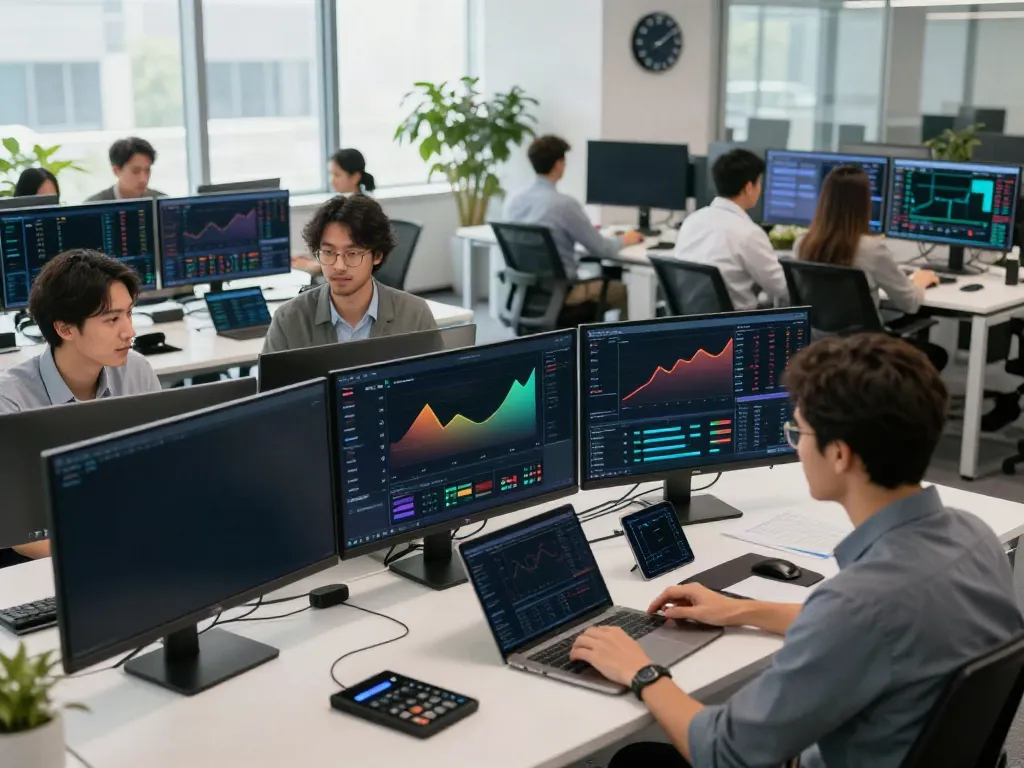
As artificial intelligence (AI) continues to revolutionize various industries, the infrastructure supporting these technologies must evolve accordingly. An AI data center serves as the backbone for AI operations, facilitating the training, deployment, and operational phases of AI models. These facilities not only house advanced computing resources but also manage the immense power demands integral to processing vast datasets, running complex algorithms, and enabling real-time data analysis.
What is an AI Data Center?
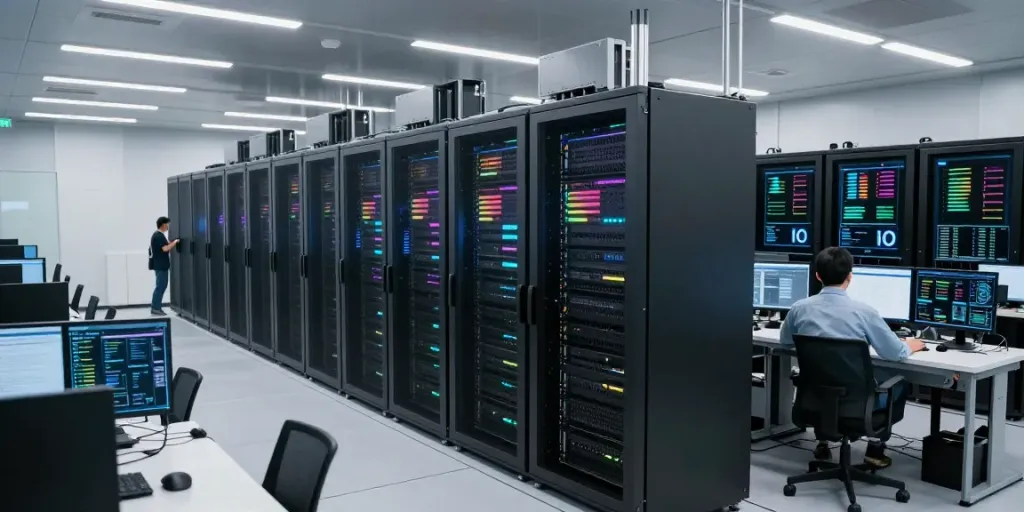
An AI data center is a specialized facility designed to accommodate the high-performance computing requirements of AI applications. Unlike traditional data centers, which typically focus on more generalized computing tasks, AI data centers provide the infrastructure necessary for training and executing deep learning models. This includes optimized hardware such as Graphics Processing Units (GPUs), which are essential for handling the large-scale computations AI models require.
Key Components of AI Data Centers
- High-Performance Hardware: The cornerstone of any AI data center is its computing power. GPUs and Tensor Processing Units (TPUs) are primarily used due to their ability to perform parallel processing, which is vital for handling the massive amounts of data associated with AI.
- Cooling Systems: AI workloads generate a significant amount of heat, necessitating efficient cooling systems. Liquid cooling technologies and advanced airflow management strategies are typically employed to maintain optimal operating conditions and prevent overheating.
- Networking Infrastructure: High-speed connectivity is crucial for transferring large datasets between storage systems and computing units. AI data centers utilize advanced networking technologies to ensure minimal latency and maximum throughput.
- Power Management: Given the substantial energy consumption of AI data centers, robust power management systems are essential. These systems facilitate efficient energy distribution and help mitigate operational costs.
The Role of AI in Data Processing
AI dramatically enhances data processing capabilities, enabling organizations to analyze vast quantities of information at unprecedented speeds. Machine learning algorithms can swiftly uncover patterns, generate predictions, and inform decision-making processes. This high-level data processing is transformative; it empowers businesses to improve efficiencies, optimize operations, and ultimately drive profitability.
Power Plans for AI Data Centers
To ensure operational efficiency, AI data centers must implement strategic power plans that align with their energy requirements. These power plans not only reflect the consumption patterns of data centers but also play a crucial role in sustainability efforts.
Types of Power Plans Available
AI data centers typically offer a range of power plans tailored to varying operational needs:
- Core Power Access: Designed for small to medium-sized operations, this plan provides baseline power support for essential AI tasks.
- Enhanced Power Access: Suitable for larger operations requiring more intensive processing capabilities, this plan offers increased power capacity and faster response times.
- Advanced Power Access: This plan is ideal for enterprises with extensive AI workloads, providing high-capacity resources tailored for complex algorithms and deep learning tasks.
Benefits of Participating in AI Power Plans
Joining an AI power plan offers several advantages for organizations aiming to enhance their AI capabilities:
- Cost Efficiency: Enterprises can optimize energy use while minimizing waste and costs associated with over-provisioning resources.
- Scalability: As demands grow, organizations can easily adjust their power plans to accommodate increased processing needs.
- Sustainable Practices: Many AI power plans prioritize green energy sources, enabling companies to reduce their carbon footprint.
Calculating Contribution Rewards in AI Systems
For organizations participating in power plans, understanding how contribution rewards are calculated is vital. Based on the energy consumed and the processing tasks completed, rewards are typically determined by evaluating:
- The volume of tokens generated through AI workloads.
- The amount of power utilized during these processes.
- Operating costs, which may include infrastructure and maintenance expenses.
Challenges Facing AI Data Centers
Despite their potential, AI data centers face unique challenges that can complicate operations. Addressing these issues is critical for successful AI implementation.
Common Operational Issues
Some frequent challenges encountered by AI data centers include:
- Power Supply Fluctuations: Inconsistent power supply can disrupt operations, affecting performance and reliability.
- Cooling Inefficiencies: Poor cooling management can lead to hardware malfunctions and increased energy costs.
- Data Security Vulnerabilities: With increased reliance on cloud and edge computing, securing sensitive data from breaches remains a top concern.
Mitigating Environmental Impact
As AI data centers become more prevalent, their environmental footprint can no longer be overlooked. Implementing sustainable practices such as energy-efficient hardware, renewable energy sources, and optimized cooling systems can significantly reduce their impact on the environment.
Addressing Data Privacy Concerns
Data privacy is an essential consideration for AI data centers, especially when dealing with sensitive information. Compliance with regulations such as GDPR and HIPAA is critical, and organizations must invest in robust security measures to protect user data.
Future Trends in AI Data Center Technology
Looking ahead, the landscape of AI data centers is rapidly evolving, driven by emerging technologies and changing user expectations.
Emerging Technologies in AI Infrastructure
Several advancements are shaping the future of AI data centers:
- Edge Computing: Distributing processing closer to data sources reduces latency and bandwidth usage, enhancing real-time data analysis.
- AI-Driven Resource Management: Leveraging AI for load balancing and resource allocation can optimize infrastructure performance and efficiency.
- Quantum Computing: This technology promises to revolutionize problem-solving for complex AI tasks, potentially outperforming traditional computing methods.
Predictions for AI Data Centers in 2026
By 2026, AI data centers are expected to evolve significantly, characterized by:
- Increased reliance on renewable energy sources to power operations.
- Greater integration of AI for enhanced efficiency and reliability.
- More flexible power plans that adjust to changing workloads dynamically.
Integrating Sustainability Practices
The future will see AI data centers prioritizing sustainability, with initiatives focused on reducing energy consumption and carbon emissions without sacrificing performance.
Getting Started with AI Data Centers
For organizations looking to participate in the AI data center ecosystem, understanding the steps to get started is crucial.
Choosing the Right AI Data Center Plan
When selecting a power plan for your AI data center, consider factors such as operational requirements, budget, and sustainability goals. Evaluating the range of options available will help to find a fit that meets your needs.
How to Optimize Your Power Usage
Optimizing power usage is vital for efficiency and cost-effectiveness. AI data centers can implement strategies such as:
- Conducting regular energy audits to identify waste and inefficiencies.
- Utilizing AI-driven energy management systems to ensure optimal power allocation.
- Investing in energy-efficient hardware to minimize consumption.
Success Stories: Companies Leading the Way
Several companies have set a benchmark in AI data center operations, demonstrating innovative approaches to infrastructure management and sustainability. Their success stories offer valuable insights for others looking to enter the AI landscape.
Frequently Asked Questions
What is the AI data center?
An AI data center is a specialized facility designed for AI applications, focusing on high-performance computing, efficient power management, and optimized operational processes.
Where are most AI data centers located in the US?
Most AI data centers are concentrated in tech hubs such as Silicon Valley, Seattle, and Austin, where access to advanced technology and infrastructure is prevalent.
Who is the largest AI data center?
The size of AI data centers can vary significantly, with companies like Google and Amazon operating some of the largest facilities globally, designed to handle substantial AI workloads.
What does Trump say about data centers?
Former President Donald Trump has addressed the importance of data centers in fostering technological innovation and supporting the U.S. economy, emphasizing the need for robust infrastructure.
Why do we need AI data centers?
AI data centers are essential for enabling efficient processing and analysis of vast datasets, driving innovation, and supporting the deployment of AI technologies across various sectors.