Understanding the Mini Split AC System
In the ever-evolving landscape of heating, ventilation, and air conditioning (HVAC), the mini split AC system has emerged as a popular choice for both residential and commercial spaces. This innovative technology offers unparalleled efficiency, flexibility, and comfort, making it an attractive option for homeowners and businesses alike. As temperatures soar during summer months or dip during winter, a mini split AC system can be a game-changer for ensuring optimal indoor climates. When exploring options, mini split ac system provides comprehensive insights into its benefits and installation processes.
What is a Mini Split AC System?
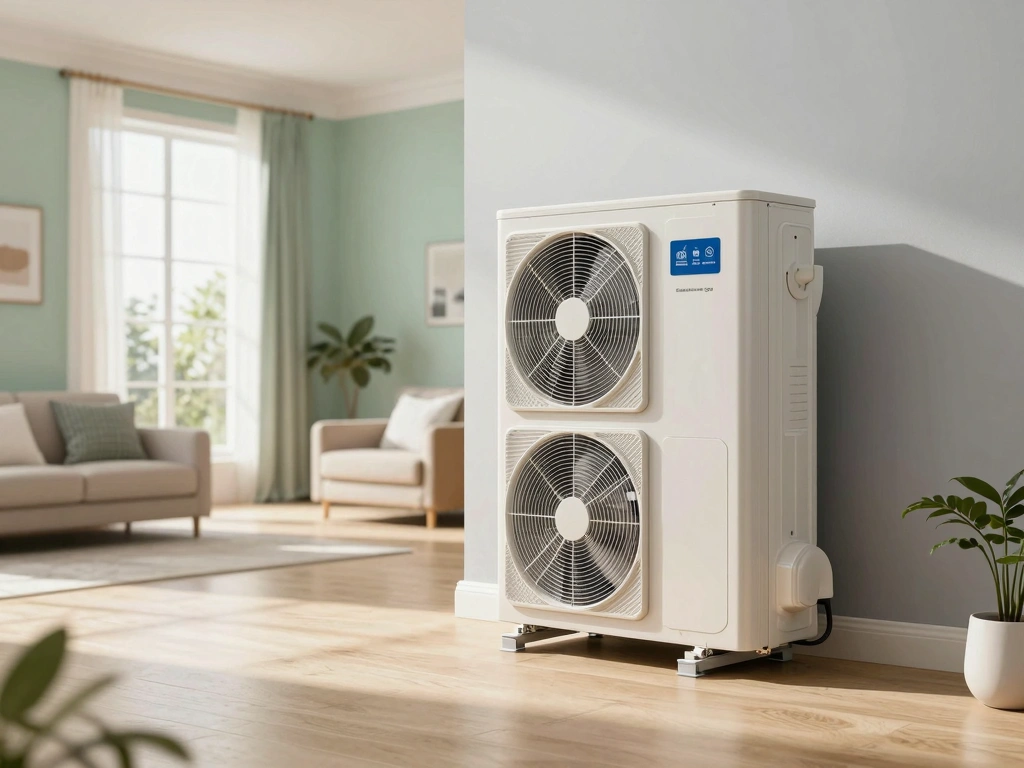
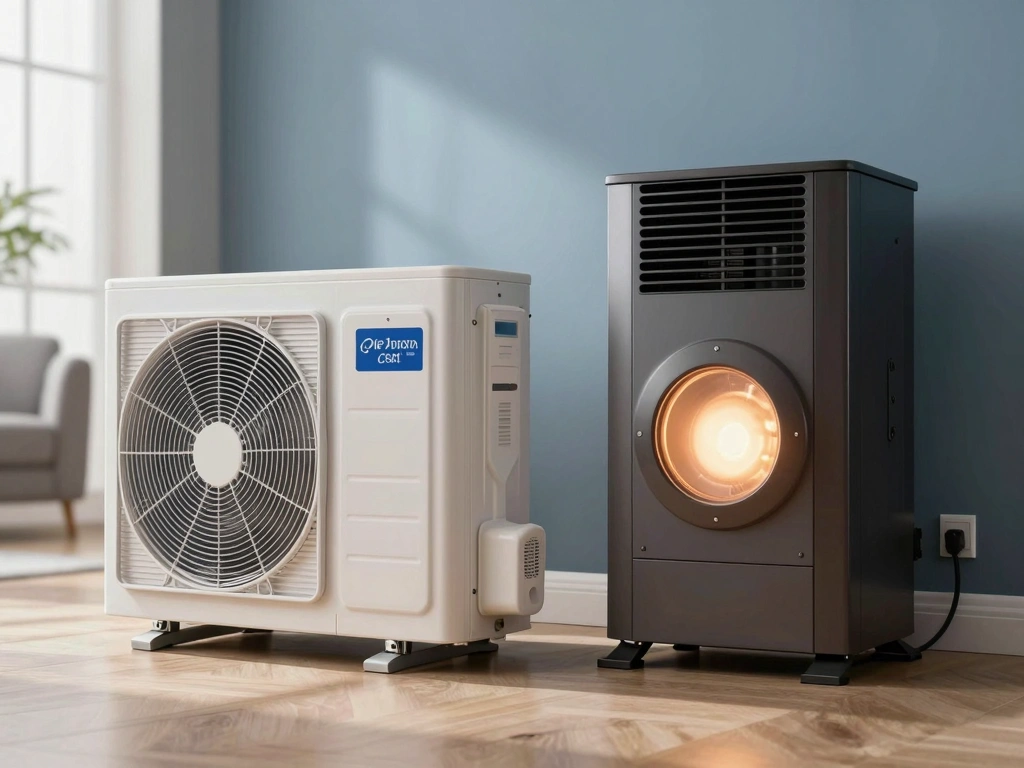
A mini split AC system, commonly referred to as a ductless air conditioning system, is composed of two main components: an outdoor unit and one or more indoor units. Unlike traditional HVAC systems that rely on ducts to distribute air, mini splits use refrigerant lines to connect the outdoor compressor to the indoor air-handling units. This design allows for a more efficient and flexible cooling solution, as each indoor unit can be independently controlled, enabling customized climate control for different rooms or spaces.
Key Components and Functions of Mini Splits
Understanding the key components of a mini split AC system is essential for maximizing its performance. The main parts include:
- Outdoor Unit: Houses the compressor and condenser. It expels heat absorbed from the indoor air, allowing the cooling process to occur.
- Indoor Unit: This unit can be mounted on walls, ceilings, or floors, depending on space and preference. It draws in warm air, cools it using the refrigerant, and blows it back into the room.
- Refrigerant Lines: These insulated lines carry refrigerant between the indoor and outdoor units, facilitating the heat exchange process.
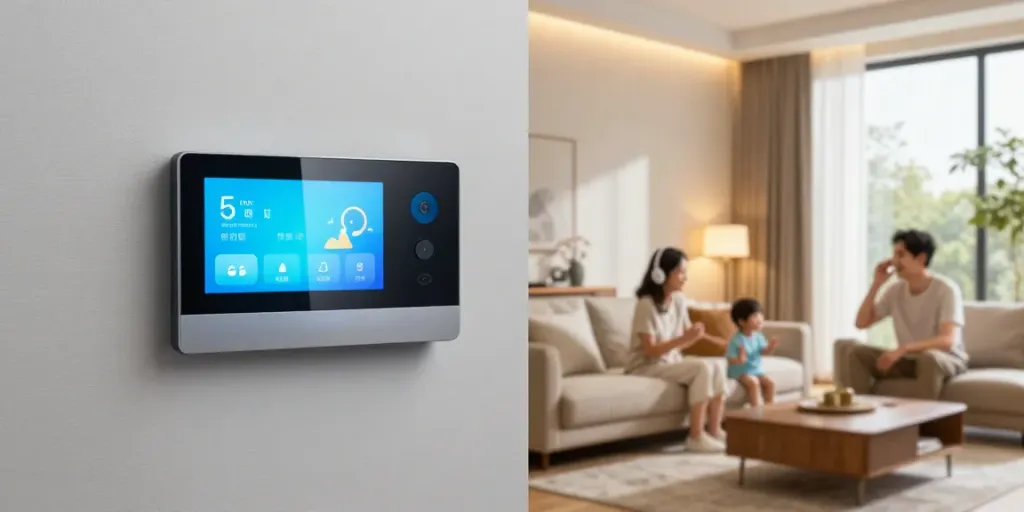
- Thermostat or Remote Control: Offers user-friendly temperature management and allows scheduling for energy savings.
How Mini Splits Differ from Traditional HVAC Systems
Mini split AC systems stand apart from traditional HVAC systems in several key ways:
- No Ductwork Required: Mini splits are ductless, which means they can be installed in homes without existing ductwork, reducing installation costs and complexity.
- Zoning Capabilities: Each indoor unit can be controlled independently, providing the ability to cool or heat only the areas being used, thus increasing energy efficiency.
- Compact Size: Mini splits are smaller and less obtrusive than conventional systems, allowing for flexible installation in various spaces.
- Quieter Operation: The outdoor unit handles most of the noise, while the indoor units operate quietly, enhancing comfort.
Benefits of Installing a Mini Split AC System
Choosing a mini split AC system comes with a range of benefits, which contribute to both comfort and energy efficiency in your living or working space.
Energy Efficiency and Cost Savings
One of the standout features of mini split AC systems is their remarkable energy efficiency. Many models come with inverter technology that adjusts the compressor speed based on the cooling demand, reducing energy consumption significantly. This results in lower utility bills compared to traditional systems. According to the U.S. Department of Energy, mini splits can achieve efficiency ratings of up to 30 SEER (Seasonal Energy Efficiency Ratio), making them an environmentally friendly choice.
Improved Air Quality and Comfort Levels
Mini split systems enhance indoor air quality by incorporating advanced filtration that traps dust, allergens, and pollutants, promoting a healthier living environment. Additionally, because they provide targeted cooling, occupants can enjoy a more comfortable atmosphere as each room's temperature can be customized. This zoned functionality leads to an overall improvement in comfort levels within the home.
Flexibility in Installation and Usage
The installation process of mini split systems is typically less invasive than traditional HVAC systems, allowing for greater flexibility. They can be installed in various configurations, including wall-mounted, ceiling-mounted, or even recessed designs. This versatility makes them perfect for homes with unique layouts or limited space. Furthermore, mini splits can also provide heating during winter months, acting as a heat pump, which adds to their utility.
Common Challenges with Mini Split AC Systems
Despite their many advantages, mini split AC systems are not without their challenges. Understanding these potential downsides can help homeowners make informed decisions.
Potential Downsides of Mini Split Systems
While mini splits are efficient, some drawbacks include:
- Higher Initial Cost: The upfront cost of purchasing and installing a mini split system can be higher than traditional units, although this can be offset by long-term savings in energy bills.
- Installation Complexity: Proper installation is critical for performance. If not installed correctly, efficiency can drop, leading to increased costs.
- Aesthetic Concerns: Indoor units may not blend seamlessly with all decor, while some homeowners prefer the hidden aesthetic of ducted systems.
Installation Considerations and Costs
Installation costs can vary widely based on factors such as the number of indoor units, the complexity of the installation, and your geographic location. On average, homeowners can expect to spend between $3,000 and $5,000 for a complete mini split system installation. However, this price can fluctuate depending on the specific requirements of the space and the type of system chosen.
Maintenance Requirements and Solutions
Like all HVAC systems, mini splits require regular maintenance to ensure optimal performance. Common maintenance tasks include:
- Cleaning or replacing air filters regularly.
- Checking refrigerant levels to ensure efficient operation.
- Inspecting and cleaning the outdoor unit to prevent obstructions.
Hiring a qualified HVAC technician for annual inspections can help address issues before they escalate, ensuring longevity and efficiency.
Best Practices for Mini Split AC System Usage
To maximize the benefits of a mini split AC system, consider implementing these best practices.
Optimizing Performance and Efficiency
To optimize your mini split system's efficiency, keep doors and windows closed while the unit is operating, and utilize the zoning feature to cool only occupied rooms. Additionally, setting the thermostat to a moderate temperature can help save energy while still providing comfort.
Common Mistakes to Avoid
Some common mistakes homeowners make with mini split systems include:
- Neglecting filter maintenance, which can reduce airflow and efficiency.
- Overusing or underusing the system, leading to inconsistent temperatures.
- Falling for low-cost installations that compromise quality.
Seasonal Maintenance Tips for Longevity
Seasonal maintenance is crucial for ensuring your mini split system remains in peak condition. Here are some tips:
- Before summer, ensure the outdoor unit is clear of debris and vegetation to maintain airflow.
- During winter, cover the outdoor unit to protect it from snow and ice buildup.
- Schedule professional maintenance at least once a year for thorough checks.
The Future of Mini Split AC Systems
The mini split AC system is continuously evolving, with advancements paving the way for enhanced performance and sustainability in the HVAC industry.
Emerging Trends in HVAC Technology
Technological innovations such as smart thermostats and integration with home automation systems allow for increased control and efficiency. Features such as Wi-Fi connectivity enable users to monitor and adjust temperatures remotely, adding convenience and further energy savings.
2026 Innovations and Smart Features
By 2026, we expect to see mini split systems equipped with advanced energy management software, improved inverter technologies, and enhanced filtration systems. These innovations promise not only to elevate performance but also to contribute to energy sustainability goals.
Environmental Impact and Sustainability Considerations
As awareness of climate change grows, so does the demand for energy-efficient solutions. Mini split systems, known for their high efficiency and lower emissions, play a significant role in reducing a building's carbon footprint. Using eco-friendly refrigerants will also become a critical consideration in the future.
What are the downsides of a mini split AC system?
As discussed, the higher upfront costs and aesthetic considerations can be drawbacks. However, evaluating the long-term efficiency and potential savings can often outweigh these concerns.
What is the typical cost of installing a mini split system?
The typical installation cost ranges from $3,000 to $5,000, depending on various factors such as the number of units and the specifics of the installation site.
What is a mini split AC system?
In summary, a mini split AC system comprises an indoor unit connected to an outdoor compressor, providing efficient heating and cooling without the need for ductwork.
Why is my electric bill so high with mini split?
High electric bills may be a result of several factors including inefficient system use, neglecting maintenance, or even external temperature extremes. Regular checks and controlled usage can help alleviate high costs.