Understanding Smart Home Technology
In today's fast-paced world, the concept of smart homes has gained significant attention, evolving from a futuristic idea into a tangible reality that transforms the way we live. With advancements in technology, integrating smart systems into our homes has become more accessible than ever. Smart home technology encompasses a range of devices that work together to enhance convenience, security, and energy efficiency. From smart locks that ensure safety to sophisticated audio systems that elevate entertainment experiences, the options are vast. As you embark on your journey towards a smarter living environment, exploring offerings from companies like جهان اسمارت can provide comprehensive insights into available products and solutions.
What is Smart Home Technology?
Smart home technology refers to the integration of devices and systems in residential properties that can be controlled remotely through smartphones or other devices. These technologies include a variety of features like lighting control, HVAC management, security mechanisms, and entertainment systems. By leveraging internet connectivity, smart devices can communicate with each other, enabling automation and streamlined control. For instance, a user may program their lights to turn on at sunset or adjust their thermostat based on their daily routines.
Benefits of Integrating Smart Systems
The advantages of adopting smart home technology are numerous. Here are some key benefits:
- Enhanced Security: Smart locks, cameras, and alarms provide peace of mind by allowing homeowners to monitor their properties in real-time.
- Energy Efficiency: Automated systems can help reduce energy consumption by adjusting settings based on usage patterns, which can lead to cost savings.
- Convenience: With devices connected to a central hub or app, homeowners can control multiple aspects of their home from anywhere, enhancing ease of use.
- Increased Property Value: Homes equipped with smart technology can attract potential buyers and often command higher market prices.
Common Misconceptions about Smart Homes
As smart homes gain popularity, several misconceptions can deter homeowners from embracing this technology. Some common myths include:
- High Cost: Many believe that smart home technology is prohibitively expensive. However, there are options available at various price points, making it accessible for a wider audience.
- Complexity: Another misconception is that smart devices are too complicated to set up and use. In reality, many are designed with user-friendliness in mind and often come with straightforward installation instructions.
- Security Risks: While concerns about hacking are valid, many smart devices now come with enhanced security features to safeguard user data.
Choosing the Right Smart Products
When delving into smart home technology, selecting the right products is crucial for fully realizing their benefits. Here are some important considerations:
Key Features to Look for in Smart Devices
When evaluating smart devices, consider the following features:
- Compatibility: Ensure that the devices can integrate seamlessly with your existing systems and platforms.
- User Interface: A device with a user-friendly interface will enhance your experience and make it easier to control settings.
- Security Features: Look for devices that offer robust security measures, such as encryption and multi-factor authentication.
- Adapting to Future Needs: Devices that can be updated or expanded with new features over time allow for greater longevity.
Top Brands for Smart Home Products in 2026
As the landscape of smart home technology continues to grow, several brands have risen to prominence for their innovation and reliability. Some of the top brands to consider include:
- Philips Hue: Known for its smart lighting solutions that can be adjusted via smartphone or voice commands.
- August: Offers smart locks that provide seamless access and monitoring features.
- Wyze: Provides affordable smart cameras and sensors that don’t compromise on quality.
- Amazon Echo and Google Nest: These voice-activated assistants serve as central hubs for managing various smart devices.
Comparing Smart Systems: Wired vs. Wireless Solutions
When installing smart home technology, homeowners often face the choice between wired and wireless systems. Each method has distinct advantages and drawbacks:
- Wired Systems: Generally more stable and secure, wired systems can provide reliable connectivity, but installation can be more complex and costly.
- Wireless Systems: Easier and cheaper to install, wireless systems offer flexibility and scalability. However, they may be subject to network interference and signal issues.
Implementation and Setup
Once you've selected your smart devices, the next step is implementation. A structured approach can streamline this process:
Step-by-Step Guide to Installing Smart Devices
- Research and choose compatible devices.
- Prepare your home’s Wi-Fi network to ensure robust connectivity.
- Follow the manufacturer's installation instructions carefully.
- Download necessary apps and create accounts as required.
- Integrate devices into a central control hub if applicable.
- Test functionality and adjust settings to your preferences.
Tips for Seamless Integration of Systems
To ensure a seamless user experience, consider these tips:
- Start Small: Begin with a few devices and gradually expand your system as you become comfortable.
- Routine Setup: Create routines or automation that enhance convenience, such as programming lights to turn on at sunset.
- Regular Updates: Keep firmware and software up-to-date to improve functionality and security.
Common Installation Challenges and Solutions
Installing smart home technology can present challenges. Here are some common issues and their solutions:
- Connectivity Issues: If devices are not connecting, check Wi-Fi strength and consider relocating devices closer to the router.
- Incompatibility: Always verify compatibility between devices; consult product specifications before purchasing.
- Device Malfunction: Regular maintenance and resets can help resolve functional issues.
Optimizing Your Smart Home Experience
To get the most out of your smart home, consider how to enhance various aspects of your living environment:
Enhancing Security with Smart Lock Systems
Smart locks provide advanced security features that traditional locks can’t offer. They allow keyless entry and can be controlled remotely through smartphones, giving users the ability to monitor access.
Integrating Smart Audio Systems for Ultimate Enjoyment
Smart audio systems can dramatically improve your home entertainment experience. With the ability to stream music from various sources and control sound levels through your smartphone or voice assistant, the right setup can create a cinematic atmosphere at home.
Managing Energy Efficiency in Smart Homes
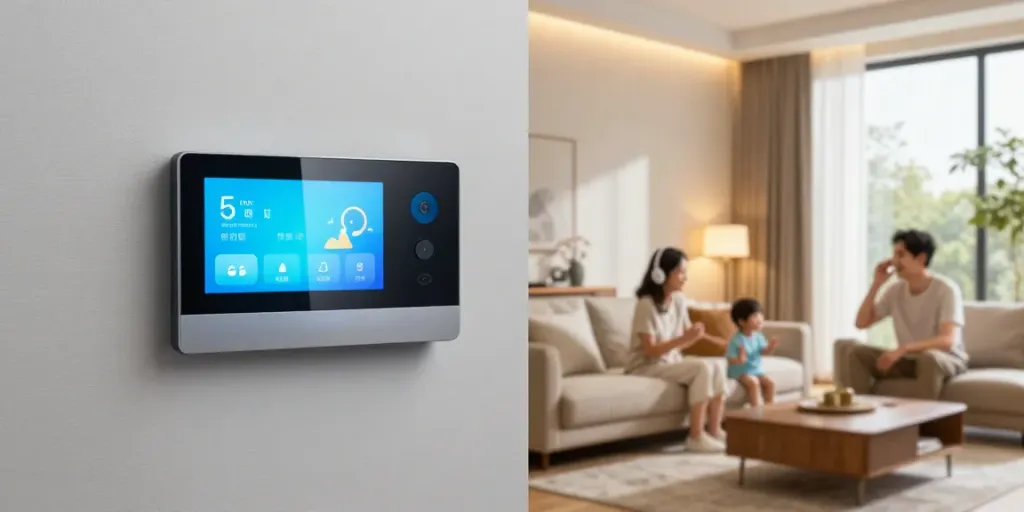
Smart thermostats and energy monitoring devices can help homeowners save on utility bills. By learning user habits and adjusting settings accordingly, these technologies promote energy savings while maintaining comfort.
Future Trends in Smart Home Technology
The future of smart home technology promises to be even more exciting, with various trends emerging:
Emerging Technologies to Watch in 2026
As smart technology evolves, expect more devices to incorporate machine learning capabilities, enhancing automation and personalization.
How AI is Revolutionizing Smart Home Automation
Artificial intelligence is likely to play a crucial role in streamlining smart home operations, making systems more intuitive and user-friendly.
Predictions for Smart Living and Consumer Expectations
Future consumers will likely demand greater customization, seamless integration, and enhanced privacy features. Expect smart homes to become more adaptive to personal lifestyles and preferences.