The Power of TradingView in Modern Trading
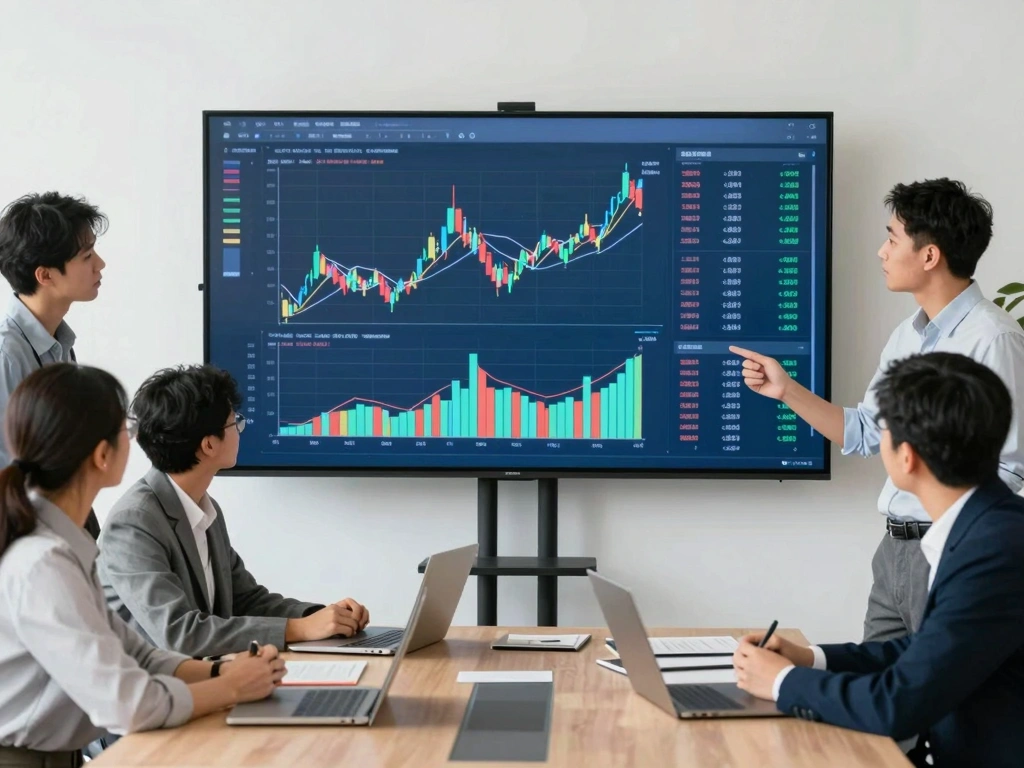
In the fast-paced world of trading, having a reliable platform like TradingView can make all the difference. This powerful tool integrates charts, technical indicators, alerts, and strategy testing into a single workspace, allowing traders to streamline their analysis and decision-making processes. Whether you are looking to track stocks, forex, cryptocurrencies, or derivatives, TradingView offers a comprehensive solution that simplifies complex market behaviors into actionable insights.
Understanding TradingView's Key Features
TradingView is equipped with an array of features that cater to both novice and experienced traders. Some key functionalities include:
- Multi-Asset Class Support: Users can analyze various asset types including stocks, forex, cryptocurrencies, commodities, and more, all from a unified platform.
- Supercharts: These advanced charts provide multi-timeframe views and support for numerous technical indicators, making in-depth analysis easier.
- Pine Script: This proprietary scripting language allows users to create custom indicators and automated strategies, enhancing their trading edge.
- Alerts and Notifications: Traders can set alerts for price movements or indicator changes, ensuring they do not miss critical trading opportunities.
How TradingView Enhances Market Analysis
Beyond just providing charts, TradingView enhances market analysis through tools and community features that facilitate smarter trading decisions. The platform’s heatmaps and screening tools make it easier to identify trending stocks or currency pairs based on various criteria like volume and price movement. Furthermore, the incorporation of macroeconomic news and earnings reports alongside trading charts reduces the need for constant window switching, allowing for a more focused analysis environment.
The Community and Social Trading Aspects
A standout feature of TradingView is its vibrant community of traders and investors. The social network aspect allows users to share trade ideas, strategies, and analyses. This communal knowledge pool not only fosters learning but also allows users to gain insights from real-time discussions with other traders. Users can follow market influencers, participate in public chats, and even publish and share their insights, creating a collaborative atmosphere that enhances trading performance.
Setting Up Your Trading Environment with TradingView
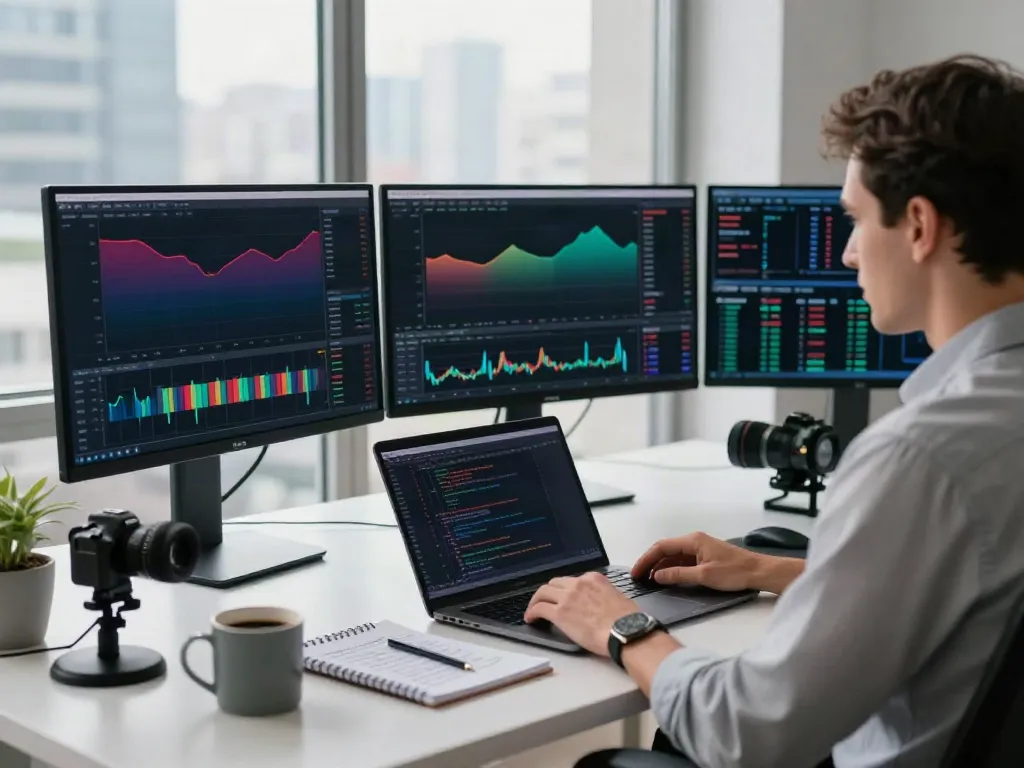
Creating an efficient trading environment is critical for success, and TradingView provides the necessary tools to achieve this. Users can customize their workspaces with multiple screens, enabling them to monitor different trades and market movements seamlessly.
Necessary Tools and Equipment for Traders
To take full advantage of TradingView, traders should consider investing in the following equipment:
- High-Resolution Monitors: Multiple screens allow for a comprehensive view of charts, alerts, and news feeds.
- Stable Internet Connection: Ensures smooth operation and quick data updates, critical for time-sensitive trading.
- Ergonomic Workspace: A comfortable chair and desk setup can improve focus and reduce fatigue during long trading sessions.
Optimizing Workspace for Maximum Efficiency
Setting up your workspace effectively on TradingView involves integrating all essential features into an easily navigable layout. Divide your screens into sections, dedicating specific areas for charts, alerts, news feeds, and social discussions. This setup allows for quick access to all necessary trading tools and data, fostering a more streamlined trading experience.
Integrating TradingView with Other Platforms
For many traders, integrating TradingView with other trading platforms can enhance trading capabilities. The seamless connection to different brokerage accounts allows users to execute trades directly from the TradingView interface, minimizing the time needed to switch between applications. Users should explore the available brokerage integrations to find the ones that suit their trading style best.
Developing Trading Strategies with TradingView
Formulating a solid trading strategy is essential for long-term success, and TradingView provides numerous tools to assist in this process. Whether you're a day trader or a swing trader, the platform offers powerful resources to help refine your strategies.
Using Pine Script for Custom Indicators
Pine Script enables users to create tailored indicators that reflect their unique trading strategies. By writing custom scripts, traders can analyze specific market conditions or price movements that may not be captured by standard indicators. This customization is key to developing a more personalized trading approach.
Backtesting Strategies Effectively
Backtesting is an integral part of strategy development, allowing traders to assess the viability of their strategies based on historical data. TradingView’s Strategy Tester makes it easy to simulate trades and evaluate performance metrics such as win rates, risk-to-reward ratios, and drawdowns. This process is essential for refining strategies before implementing them in live markets.
Leveraging Alerts and Notifications
Efficiently managing alerts can greatly enhance trading effectiveness. Traders can set alerts for price levels, indicator conditions, and other market signals. This way, they will be instantly notified of potential trading opportunities without the need for constant monitoring, allowing for a more hands-off yet proactive trading experience.
Challenges and Limitations of TradingView
While TradingView offers extensive features, users may encounter certain challenges and limitations during their trading journey.
Identifying Common User Pain Points
Some users have reported frustration with the learning curve associated with more advanced features, particularly Pine Script. Additionally, while TradingView provides a wealth of information, the sheer volume can be overwhelming for beginners. It's crucial for users to invest time in exploring tutorials and community discussions to alleviate these challenges.
Comparative Analysis with Competitors
TradingView competes with various other trading platforms, such as MetaTrader and Thinkorswim. While TradingView excels in visual representation and community interaction, it may lack some advanced order execution features found in other platforms. Analyzing these differences can help traders choose the one that best fits their trading needs.
Addressing Misconceptions about TradingView
Despite its strengths, some misconceptions about TradingView persist. For example, some traders believe it is solely a charting tool when, in fact, its capabilities span strategy testing, social trading, and market alerts. Understanding the full scope of TradingView's features can help traders leverage this platform more effectively.
The Future of Trading with TradingView: Trends for 2026
The trading landscape is continuously evolving, and TradingView is at the forefront of these changes. Emerging technologies and trader demands are driving the future of trading.
Emerging Technologies and Innovations in Trading
As AI and machine learning technologies develop, TradingView is likely to integrate more advanced analytics and predictive modeling tools. These innovations will empower traders to make more informed decisions by providing deeper insights into market data and trends.
Forecasting Market Changes and User Needs
In the coming years, we expect to see an increase in demand for mobile trading solutions as more traders use smartphones and tablets. TradingView's commitment to mobile compatibility will likely expand further to ensure traders remain connected and informed, regardless of their location.
Building a Sustainable Trading Routine
Successful traders know the importance of maintaining a consistent trading routine. TradingView encourages the establishment of monitoring habits, data analysis, and strategy development. Utilizing tools like alerts, community feedback, and continuous learning will contribute to a sustainable trading practice.