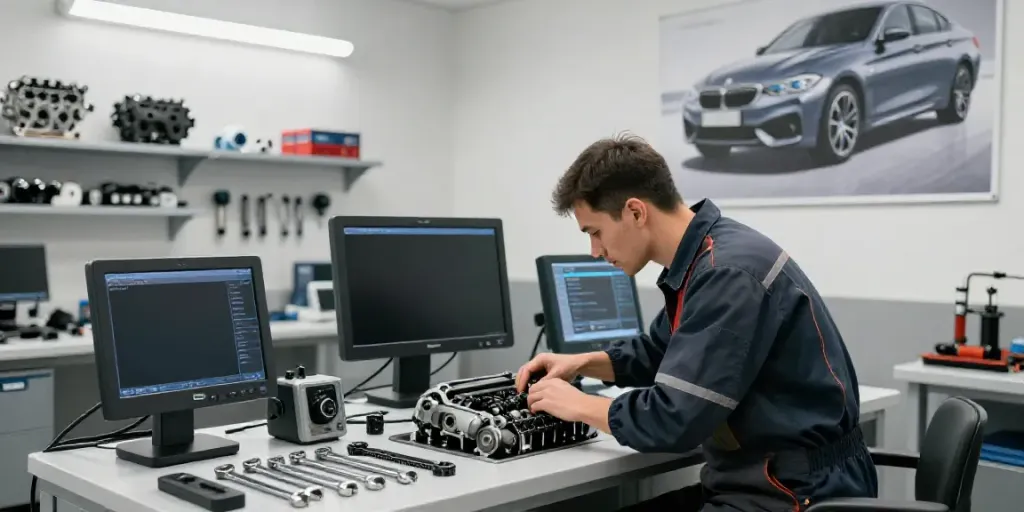
Understanding the Role of BMW Timing Chains
The performance and longevity of your BMW largely depend on the proper functioning of its engine components, and one of the most critical of these is the timing chain. Unlike timing belts, timing chains are designed for durability and typically do not require as frequent replacement. However, they are not immune to wear and tear, making it essential for BMW owners, especially in Hannover, to understand their role and maintenance needs. When exploring options, bmw steuerkette hannover provides comprehensive insights to help you keep your engine in top condition.
What is a Timing Chain?
A timing chain is a part of an engine's internal mechanism that connects the crankshaft to the camshaft. Its primary function is to ensure that the engine’s valves open and close accurately in sync with the movement of the pistons. This precise timing is critical for the engine's performance and efficiency. In BMW vehicles, timing chains are crafted from durable metal, which typically allows them to last longer than their belt counterparts.
How Does a Timing Chain Function?
The timing chain operates through a series of gears and sprockets that orchestrate the movement of the engine components. As the crankshaft rotates, it drives the timing chain, which in turn moves the camshaft. This synchronization ensures that the engine runs smoothly, allowing for optimal performance and fuel efficiency. Any disruption in this timing can lead to engine misfires, reduced power, and increased emissions.
Differentiating Timing Chains from Timing Belts
While both timing chains and timing belts perform similar functions, they differ significantly in terms of material, durability, and maintenance. Timing belts, made from rubber, are typically quieter but require replacement at regular intervals due to wear. Conversely, timing chains, made from metal, are more robust and can last the life of the engine, but they can stretch or wear down over time, particularly if not properly maintained.
Signs Your BMW Needs Timing Chain Maintenance
Recognizing the signs that your BMW’s timing chain may be failing is crucial to avoid more severe engine damage. Neglecting these symptoms can lead to catastrophic engine failure, which is costly to repair. It’s imperative for BMW owners in Hannover to keep an eye out for these warning signs.
Common Symptoms of Timing Chain Issues
- Unusual Noises: A rattling noise coming from the engine, especially during startup, can indicate a loose or worn timing chain.
- Check Engine Light: If the check engine light illuminates, it could signal issues related to the timing chain or its surrounding components.
- Oil Leaks: Oil leaks around the timing cover can suggest a worn chain and may require immediate attention.
- Engine Misfire: If the timing chain is off, it can cause the engine to misfire, leading to performance issues.
How Often Should You Check Your Timing Chain?
Generally, timing chains are built to last, but regular inspections should be part of your maintenance routine. It's advisable to have your timing chain checked during routine service intervals or if any symptoms arise. In most BMWs, a thorough inspection is recommended every 60,000 to 100,000 miles.
Impact of Neglecting Timing Chain Maintenance
Neglecting to maintain your timing chain can lead to significant engine damage, resulting in expensive repairs. A stretched or broken timing chain can cause the pistons and valves to collide, leading to catastrophic engine failure. Regular checks and timely maintenance can prevent such costly issues.
Best Practices for Timing Chain Replacement
When it becomes necessary to replace your BMW's timing chain, following best practices can ensure a successful replacement and extend your engine's life. Understanding the process and preparing accordingly can save time and money.
Steps for Inspecting Your Timing Chain
- Check for any unusual noises when the engine is running.
- Inspect the timing chain cover for oil leaks.
- Monitor engine performance for signs of misfires or stalling.
- Consult with a qualified mechanic for a professional assessment.
Tools and Parts Needed for Replacement
If you are considering a DIY approach for replacing the timing chain, ensure you have the right tools. Essential items include a timing chain kit, socket set, torque wrench, and engine oil for lubrication during reassembly. Additionally, having a repair manual specific to your BMW model will guide you through the process.
Finding a Trusted Mechanic in Hannover
It's essential to find a reputable mechanic for timing chain replacement to ensure proper installation. Look for specialists who are certified in BMW repairs and have good reviews for their service quality. A local expert can provide insights into the specific needs of your BMW model and help prevent future issues.
Cost of Timing Chain Replacement in Hannover
The cost of replacing a timing chain can vary widely based on factors such as the specific BMW model, the complexity of the job, and regional labor rates. Understanding these costs can help you budget effectively and ensure that you are not overcharged.
Factors Influencing Replacement Costs
- Model Year: Older models may have different labor requirements compared to new ones.
- Engine Type: Different engines, such as the N47 or B47, may have varying complexity in their timing chain setups.
- Parts Quality: OEM parts may cost more than aftermarket parts, but they often provide better reliability.
- Labor Rates: Costs can vary significantly based on your location and the mechanic's expertise.
Average Costs for BMW Timing Chain Services
On average, BMW timing chain replacement costs can range from €1,000 to €3,000, depending on the factors mentioned. It is wise to obtain multiple quotes from local garages to find the best price and service combination.
Comparison of DIY vs. Professional Services
While performing a timing chain replacement yourself can save on labor costs, it requires a thorough understanding of automotive mechanics. If you lack experience, hiring a professional can be a safer option, as they can ensure that the job is done correctly and efficiently.
Future Trends and Innovations in BMW Engine Maintenance
The automotive industry is rapidly evolving, and BMW is at the forefront of adopting new technologies for engine maintenance. Staying informed about these trends can help you maintain your vehicle more effectively.
Emerging Technologies in Vehicle Maintenance
Technological innovations such as predictive maintenance software are becoming increasingly common. These tools analyze data from your vehicle's engine to predict potential failures before they happen, allowing for proactive maintenance.
How AI is Changing Automotive Repair
Artificial Intelligence (AI) is beginning to play a significant role in diagnostics and repairs. Advanced diagnostic tools powered by AI can quickly identify issues with timing chains and other critical components, providing mechanics with accurate solutions faster than ever before.
What to Expect in BMW Maintenance Practices by 2026
By 2026, BMW maintenance practices are expected to integrate more advanced technologies, including improved AI tools for diagnostics and automated systems for scheduling and tracking maintenance. These innovations will enhance the overall customer experience and vehicle longevity.
What are the costs to replace a timing chain in a BMW?
The costs can vary widely based on several factors, including the model and engine type, typically ranging between €1,000 and €3,000.
Which BMW models are most affected by timing chain issues?
Models such as the BMW N47, N20, and B47 engines are frequently noted for timing chain issues and may require more frequent inspections.
How frequently should a BMW’s timing chain be checked?
It is advisable to check the timing chain during every major service interval or if any unusual symptoms are observed.
What indicators suggest a timing chain replacement is needed?
Common indicators include unusual noises from the engine, the check engine light being illuminated, or performance issues such as misfires.
Are there preventive measures to extend timing chain lifespan?
Regular maintenance, including timely oil changes and inspections, can help prolong the life of your BMW’s timing chain and prevent premature wear.