Understanding Custom Water Treatment Equipment
In today’s industrial landscape, the need for customized solutions in water treatment has never been more critical. As industries grapple with stricter environmental regulations and the demand for sustainable practices increases, Custom Water Treatment Equipment has emerged as a vital resource. This equipment not only addresses varying water quality issues but also caters to specific operational needs across different sectors, ensuring that water treatment processes are efficient, effective, and compliant with industry standards.
What is Custom Water Treatment Equipment?
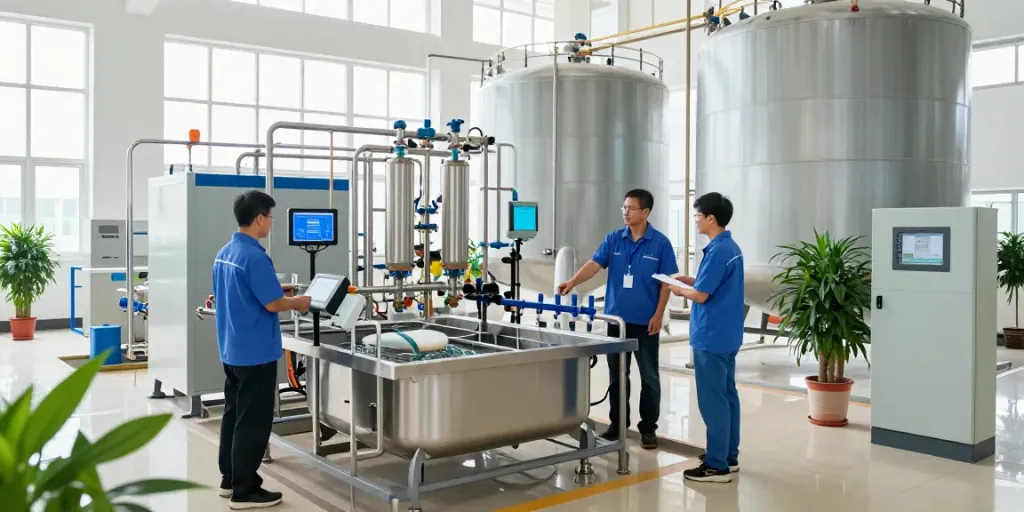
Custom water treatment equipment is designed to meet the specific needs of individual industries and applications. It encompasses a range of technologies and processes tailored to address unique challenges related to water quality, volume, and specific contaminants. This equipment can vary significantly from standardized systems, which are often limited in their applicability and flexibility. The custom approach allows for the integration of various treatment methods, such as filtration, membrane separation, and chemical dosing, into a cohesive and efficient system.
Key Benefits of Custom Solutions
- Tailored Performance: Custom designs ensure the equipment meets the exact specifications required for water quality and quantity, optimizing performance and efficiency.
- Cost-Effectiveness: By addressing specific challenges directly, companies can avoid the costs associated with over-engineered systems or those that fail to meet operational requirements.
- Regulatory Compliance: Custom systems can be designed to ensure compliance with local and national regulations, reducing the risk of fines and shutdowns.
- Scalability: These systems can be designed with future growth in mind, allowing companies to adapt easily as their needs evolve.
Common Applications Across Industries
Custom water treatment equipment finds applications across a myriad of industries, each with distinct requirements. Whether it’s the manufacturing of textiles, food production, or chemical processing, tailored solutions can ensure that the water used meets necessary standards for purity and functionality.
- Chemical Industry: Precision in chemical dosing systems can prevent contamination and improve process reliability.
- Food and Beverage: Ensuring safe and potable water is critical for food safety and product quality.
- Textile Production: Water treatment is essential for dyeing processes, where contaminant removal affects color quality.
- Municipal Water Treatment: Custom systems can help cities manage varying water quality and demand challenges efficiently.
Choosing the Right System for Your Needs
Factors to Consider in Custom Equipment
When selecting custom water treatment equipment, several factors must be evaluated to ensure the best fit for your specific needs:
- Water Quality: Understanding the specific contaminants and characteristics of the water being treated is crucial for selecting the right technology.
- Flow Rate: The volume of water needing treatment affects the design and capacity of the system.
- Space Constraints: Equipment size and layout need to be considered in the context of existing facility infrastructure.
- Compliance Requirements: Different industries have variable standards; understanding these is vital for custom solutions.
Comparing Standardized vs. Customized Systems
Standardized systems may offer lower initial costs and quicker implementation; however, they often lack the flexibility needed for unique operational challenges. Customized systems, while potentially requiring a higher upfront investment, provide long-term benefits through optimization and efficiency tailored to specific use cases.
Assessing Your Specific Industrial Requirements
Conducting a thorough analysis of business operations is fundamental when assessing the need for custom equipment. Collaborating with experienced suppliers who understand the nuances of your industry can facilitate the identification of the right equipment configurations that meet both operational and regulatory demands.
Technology Innovations in Water Treatment
Emerging Trends in Equipment Design
The water treatment industry is witnessing rapid technological advancements. Innovations such as modular systems, IoT integrations, and eco-friendly materials are shaping how equipment is designed and deployed across industries. Modular systems allow for easier upgrades and expansions, while IoT technology enables real-time monitoring and adjustments to treatment processes, enhancing operational efficiencies.
Impact of IoT on Water Quality Management
Integrating IoT technology into water treatment systems enhances monitoring capabilities and promotes proactive maintenance. With sensors continuously analyzing water quality, operators can quickly identify and address issues, ensuring optimal performance without compromising compliance.
Advancements in Membrane Technology
Membrane filtration technology continues to evolve, offering better performance and lower energy consumption. Innovations in membrane materials and designs have led to improved filtration efficiencies, making them indispensable in modern water treatment solutions.
Cost-Effective Strategies for Implementation
Calculating Total Cost of Ownership
When considering custom water treatment equipment, understanding the total cost of ownership (TCO) is essential. TCO includes initial acquisition costs, installation, operation, maintenance, and the potential costs associated with system downtime. A thorough analysis helps in making informed decisions that align with budget constraints while ensuring compliance and efficiency.
Funding Options for Large-Scale Projects
For larger projects, various funding options may be available, including government grants, loans, and subsidies. Companies should explore these opportunities to alleviate upfront costs and promote sustainable practices that deliver environmental benefits.
Best Practices for Maintenance and Longevity
To maximize the lifespan of custom water treatment equipment, adhering to a strict maintenance schedule is essential. Regular checks, timely replacements, and staff training on equipment operation can greatly enhance efficiency and reduce unexpected failures.
Future Prospects for Water Treatment in 2026
Environmental Regulations and Compliance
As global concerns regarding water scarcity and pollution rise, industries can expect an increase in regulatory scrutiny and compliance requirements. Staying ahead of these changes will be crucial for companies to maintain operational integrity and avoid penalties.
Potential Changes in Technology Landscape
By 2026, technology advancements are expected to continue shaping the water treatment industry. Innovations in artificial intelligence and machine learning could lead to smarter systems capable of self-optimization and enhanced decision-making capabilities for treatment processes.
How Companies are Adapting to Market Demands
To remain competitive, companies are increasingly investing in custom solutions that not only meet current market demands but also anticipate future needs. By embracing innovation and sustainability, businesses can position themselves as leaders in the water treatment sector.
Can I install my own water treatment system?
Yes, installing a water treatment system can be done by skilled individuals, but it is recommended to consult with professionals to ensure compliance and efficiency.
How much should a water treatment system cost?
The cost of a water treatment system can vary widely depending on the size, technology, and specific requirements of the application. Obtaining quotes from multiple suppliers can help in determining a reasonable budget.
Is the water purification business profitable?
Yes, the water purification business can be profitable, especially as demand for clean water continues to grow in various sectors, including residential, industrial, and agricultural applications.